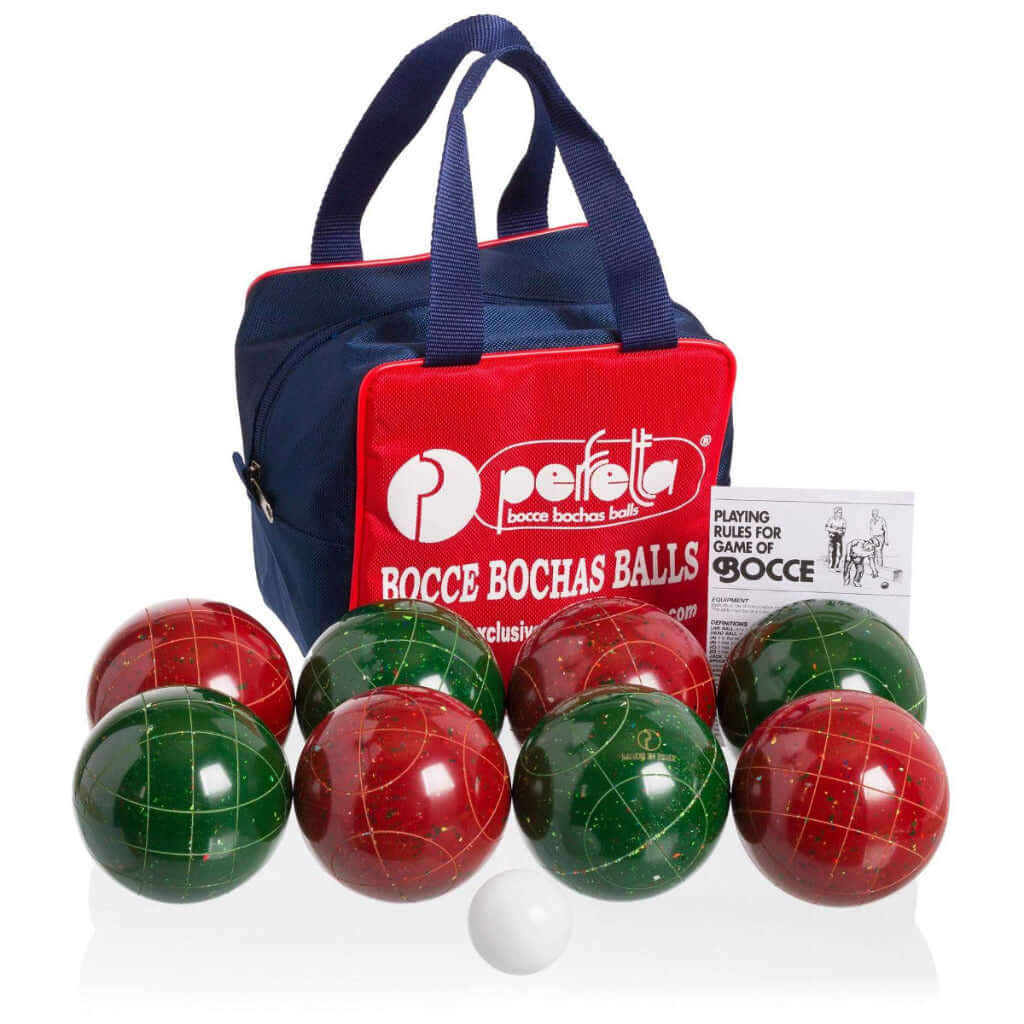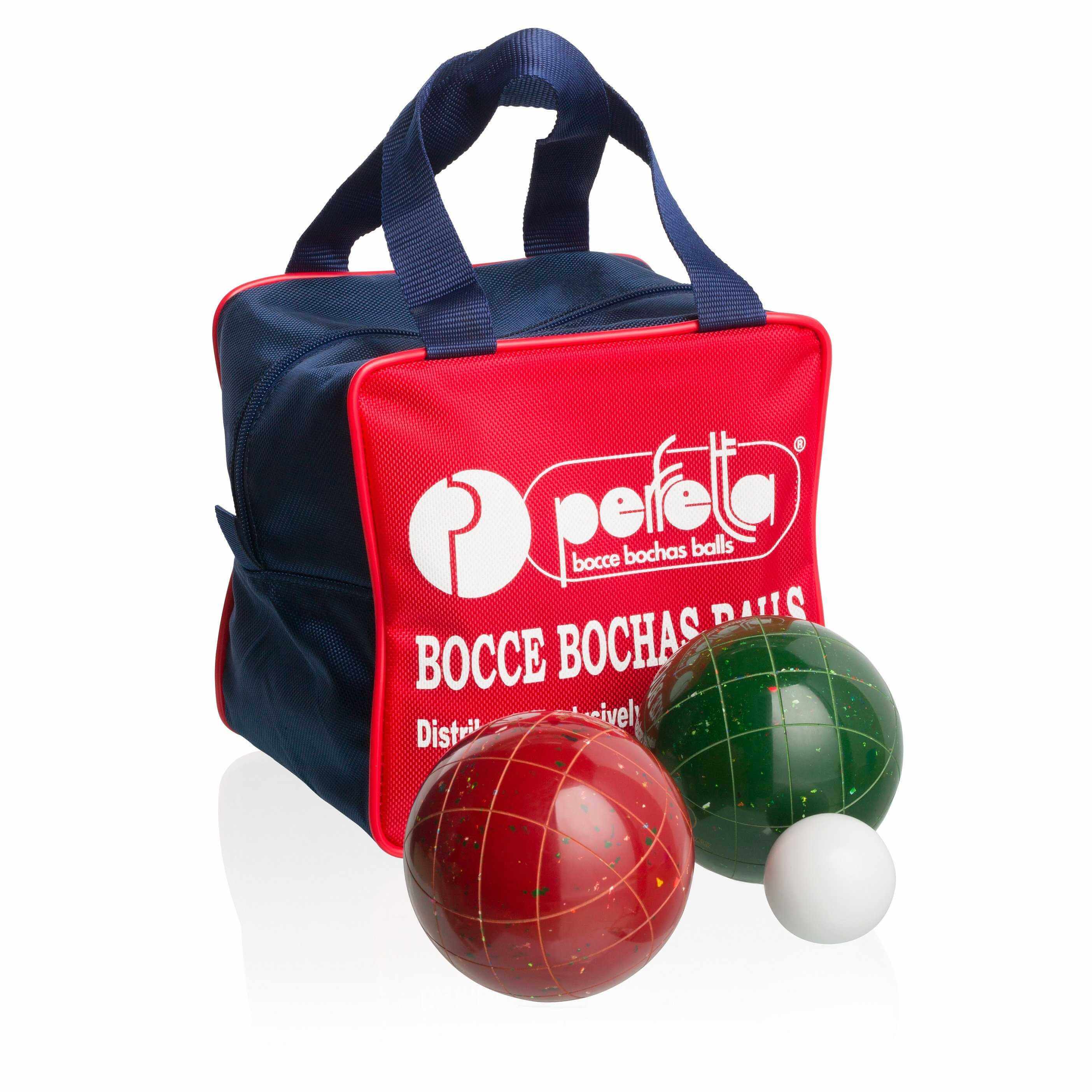



|
Selecting the right boules for you will
have a great impact on your game. There are few points to consider when
choosing your boules…
Skill Level
Are you new to the game and playing for
leisure? Or have you got it down and are a tournament player?
Throwing Style Are you a shooter, a pointer, or both? The boules
you choose will help you perfect your style.
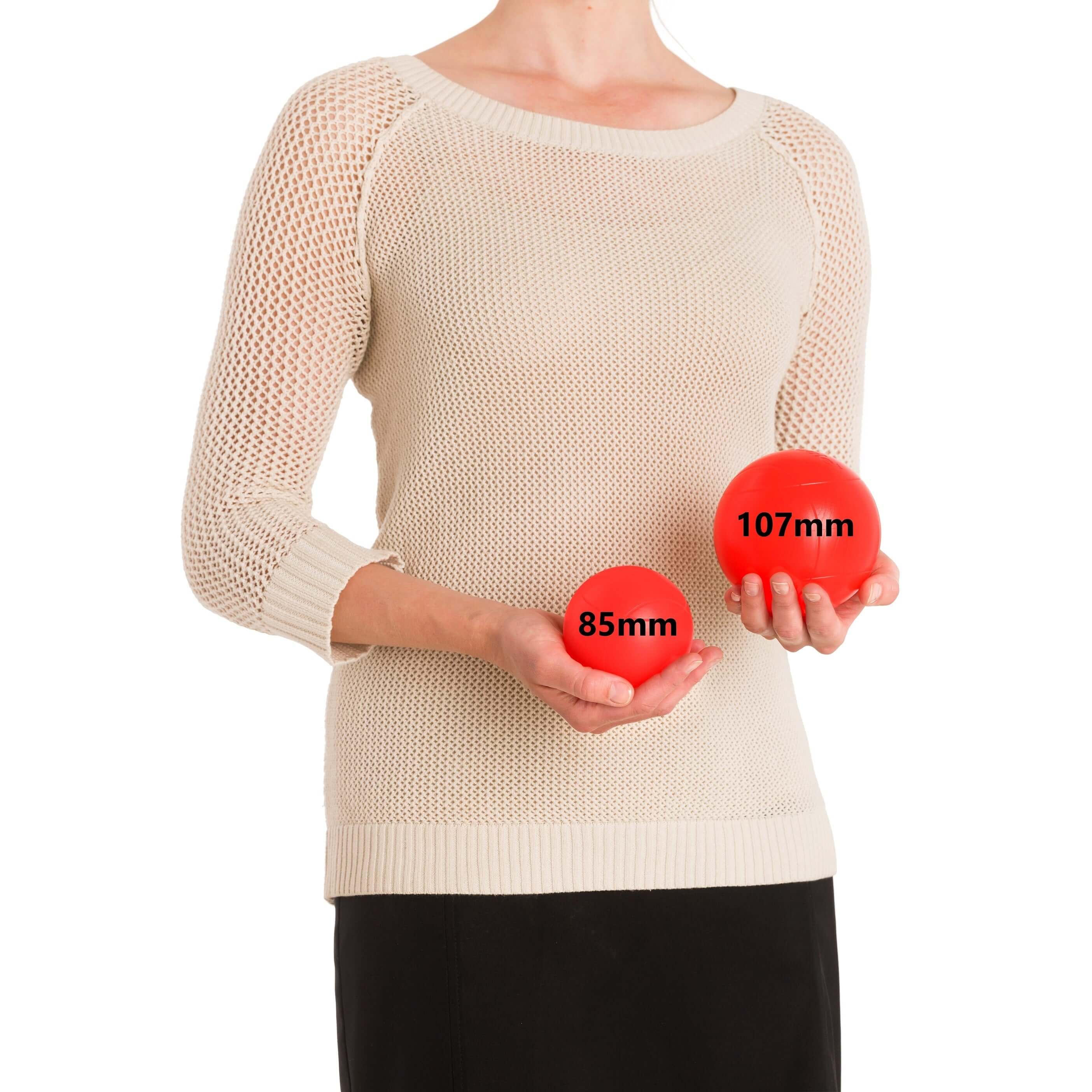
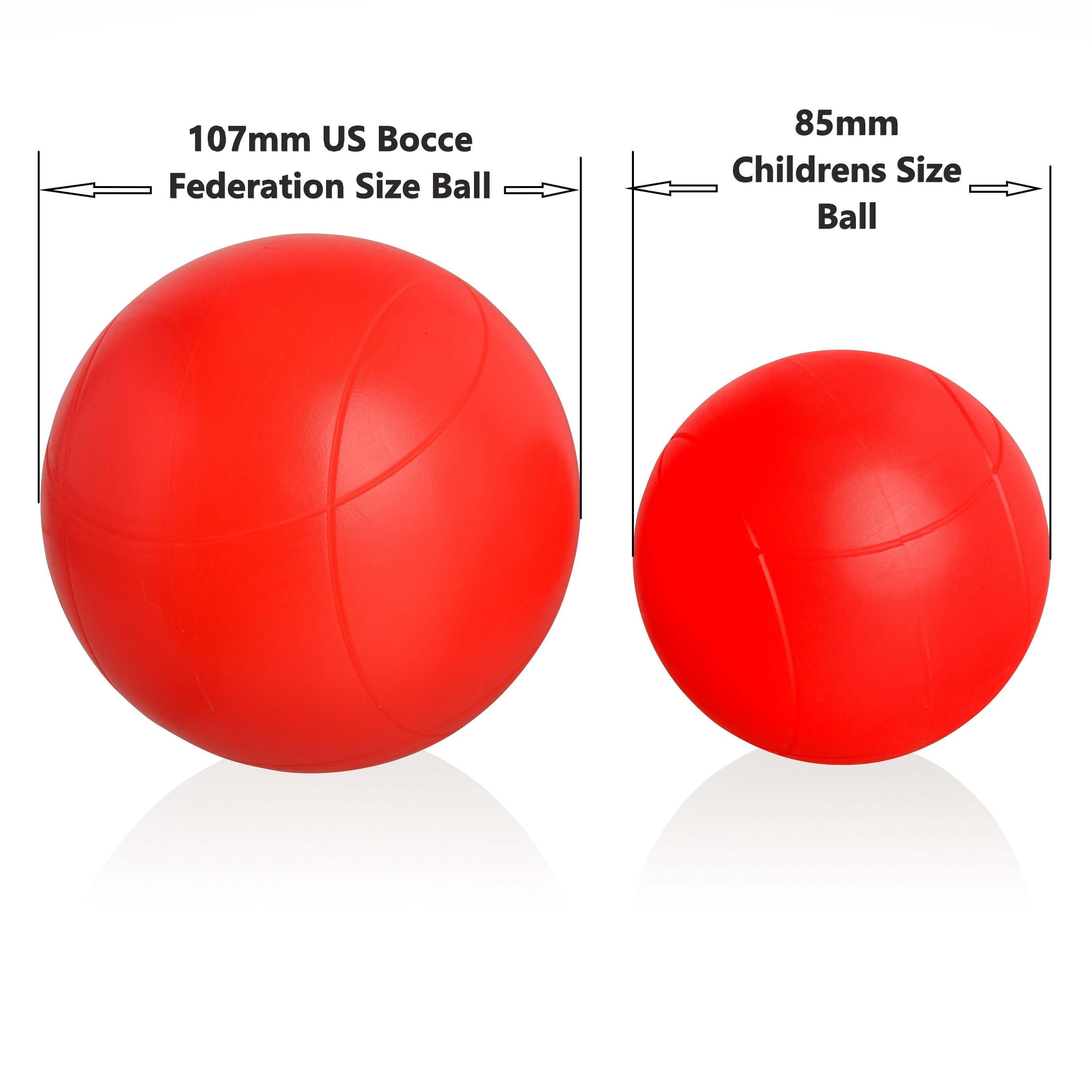
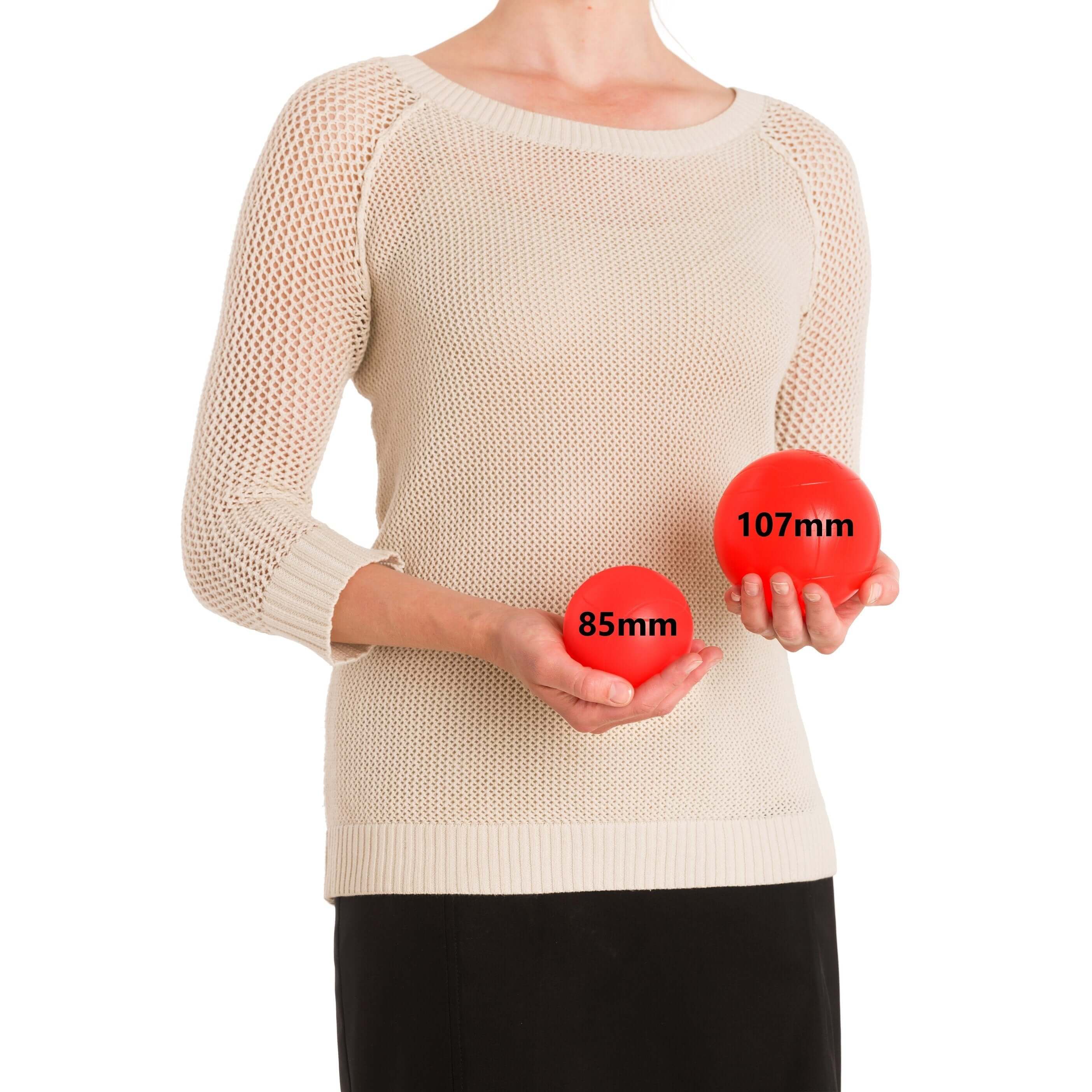
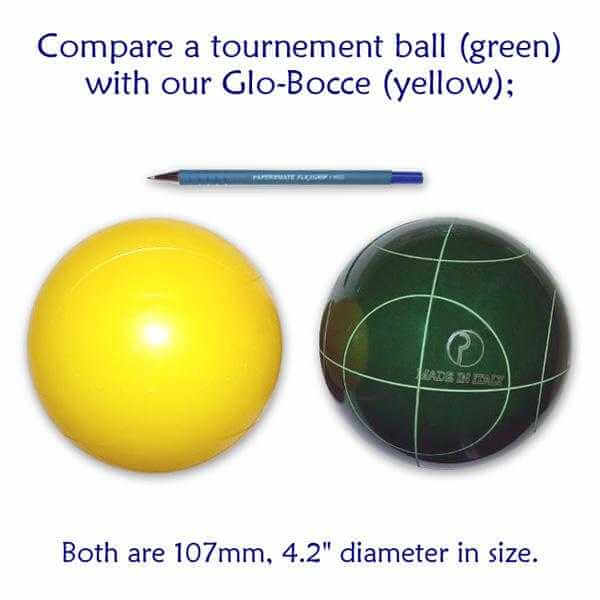
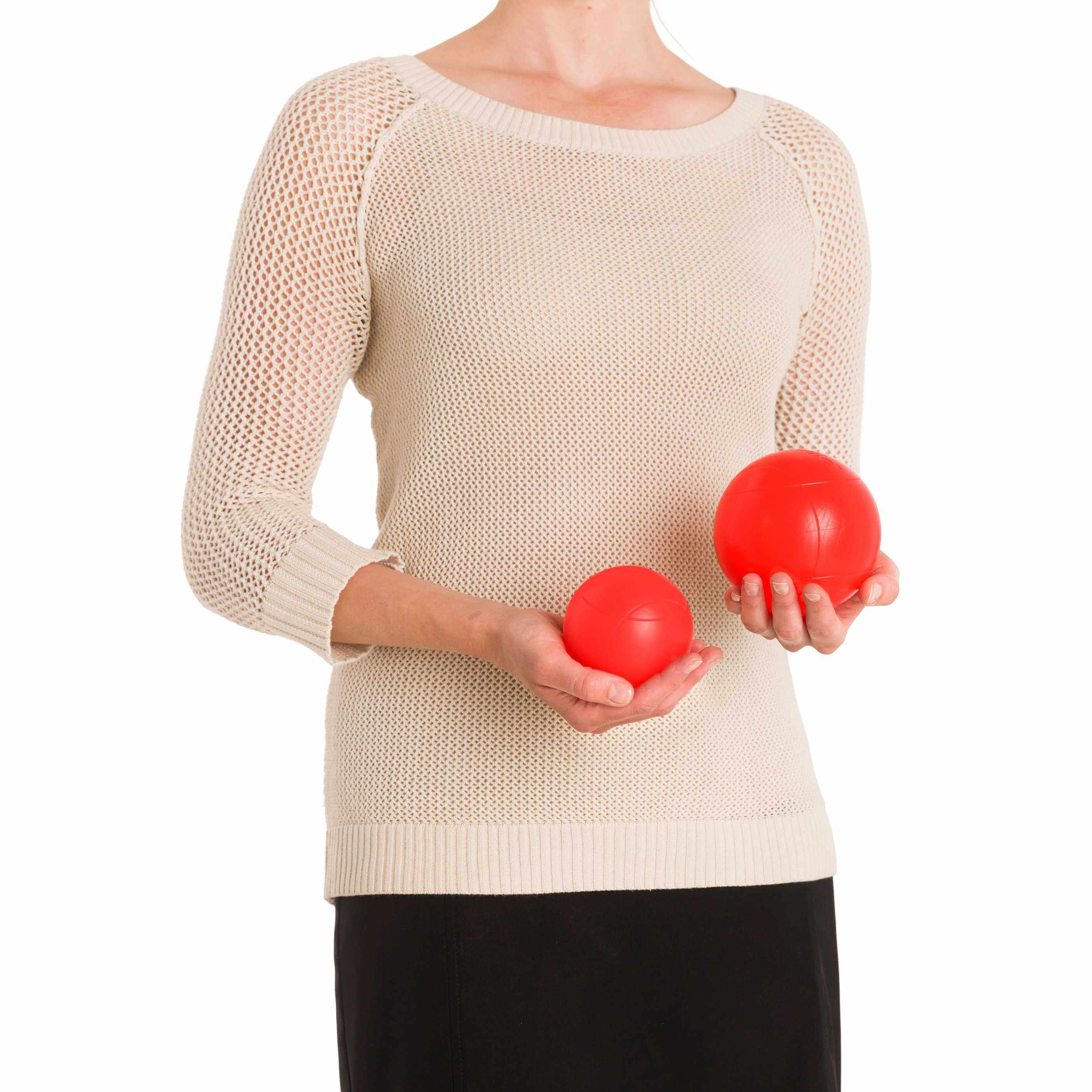
Size The diameter of a boule affects how much control
you have and how comfortable you feel throwing it. If the boule is too
small or too large you will have less control when throwing it and your
hand will tire out more quickly. In general, the smaller your hand the
smaller the boule. Pointers usually prefer smaller boules and shooters
usually prefer larger ones. The International Pétanque Federation (FIPJP
- Federation International Petanque & Jeu Provencal)) only allows
boules with diameters from 2 3/8" and 3 1/8" (70.5mm to 80 mm). To
determine the size of a boule, measure your throwing hand in centimeters
from the tip of your thumb to the tip of your middle finger.
To use the hand
measurer on the left, print out these pages. The image should measure 1
3/16" X 12 7/16" when printed.
Weight The weight of a boule affects how accurately you
throw, how tired you get, and how the boule reacts on impact. In
general, the heavier the boule, the less it moves after impact the
lighter the boule, the easier it is to throw. A boule that is too heavy
for you will tire your arm out faster and cause you to throw short of
your target a boule that is too light, may cause you to overthrow your
target. If you roll the boule, you should choose a heavier one since
they take a straighter path. If you throw the boule, you will want a
lighter one to help reduce fatigue. The FIPJP allows weights within the
680 to 800 gram range for official play. As boules wear they lose
weight: the FIPJP does not allow play with boules that have lost more
than 15 grams of weight or where the markings for weight, model etc.
have worn off. The average weight of
all the competition boules we sell is730
grams.

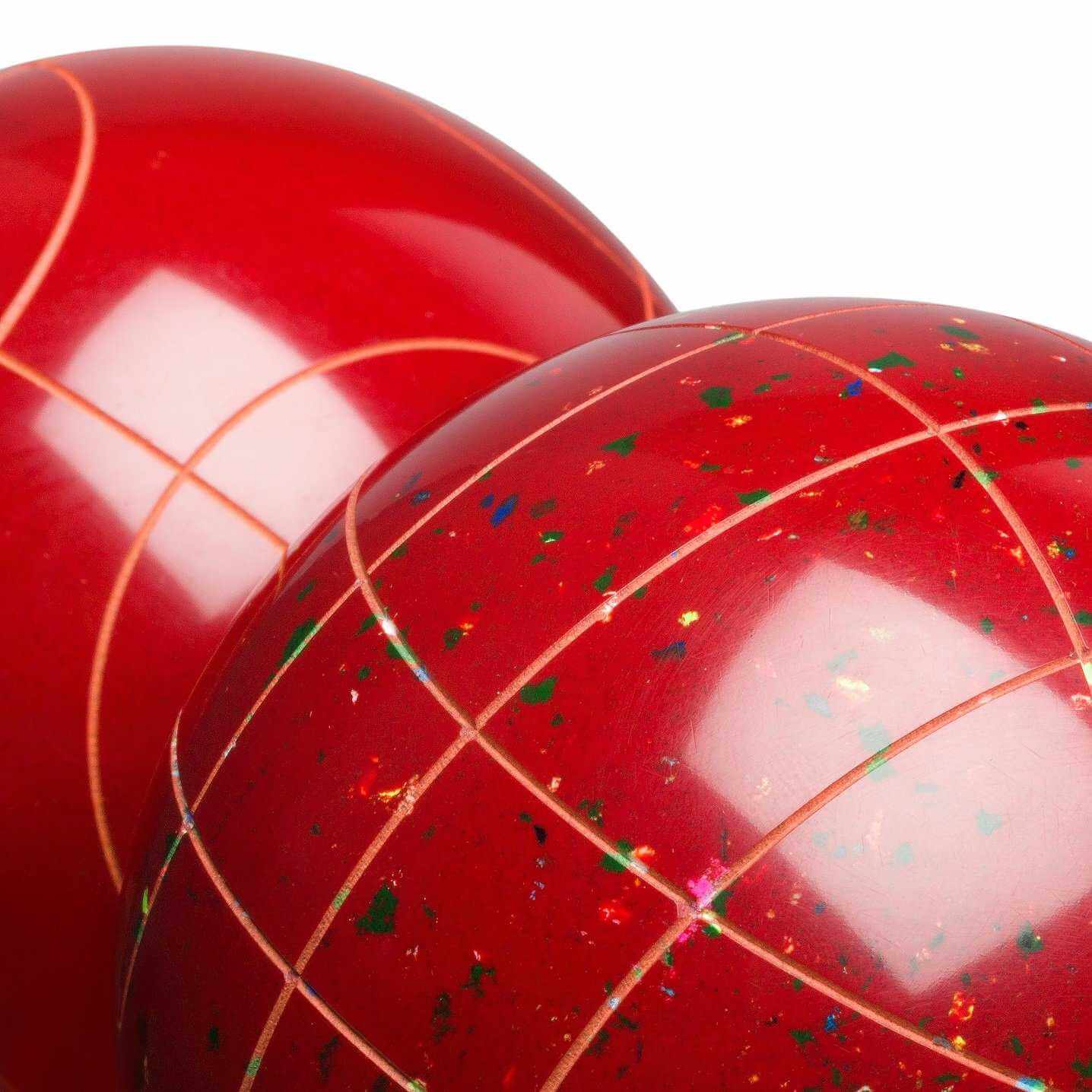
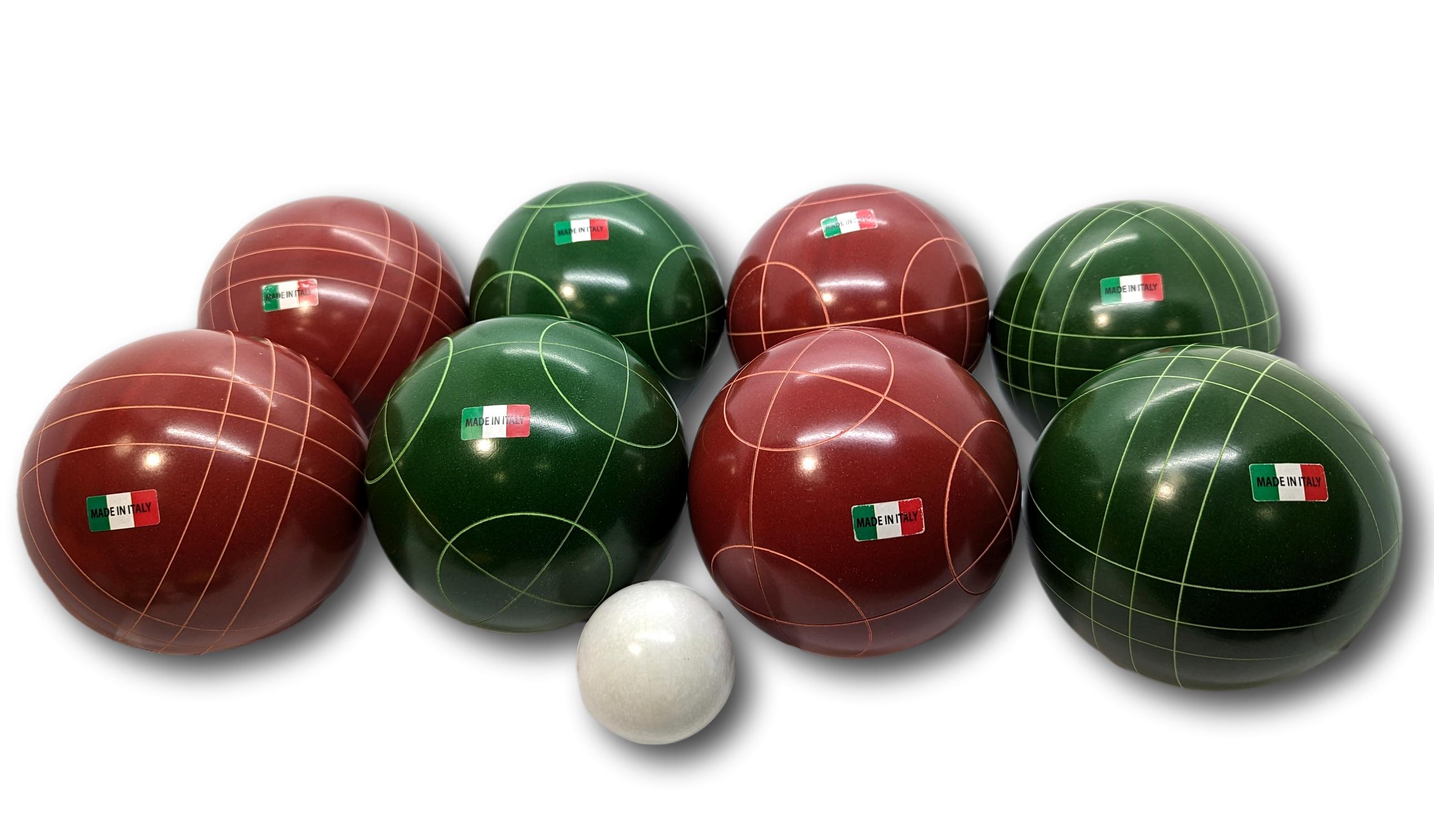
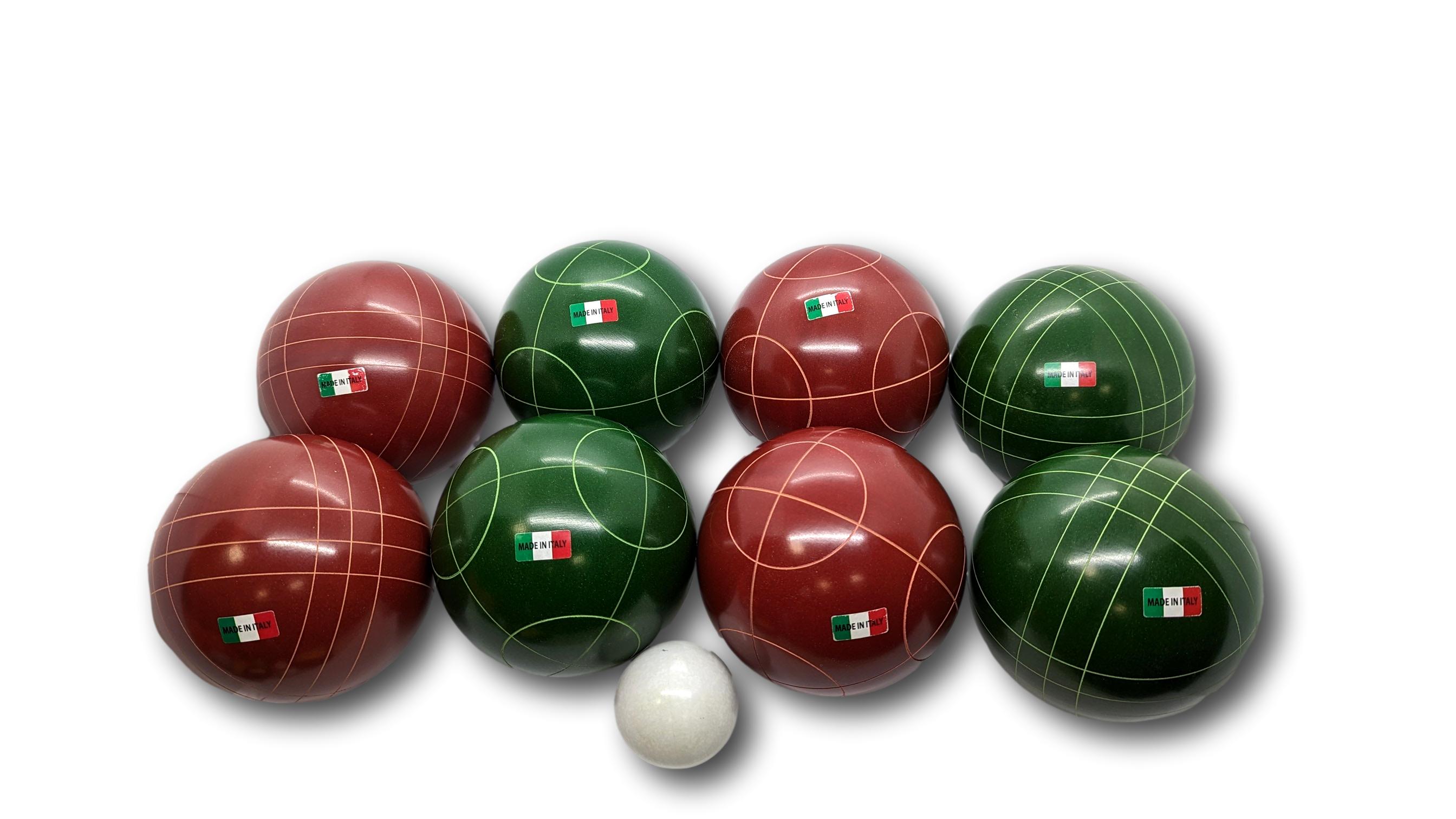
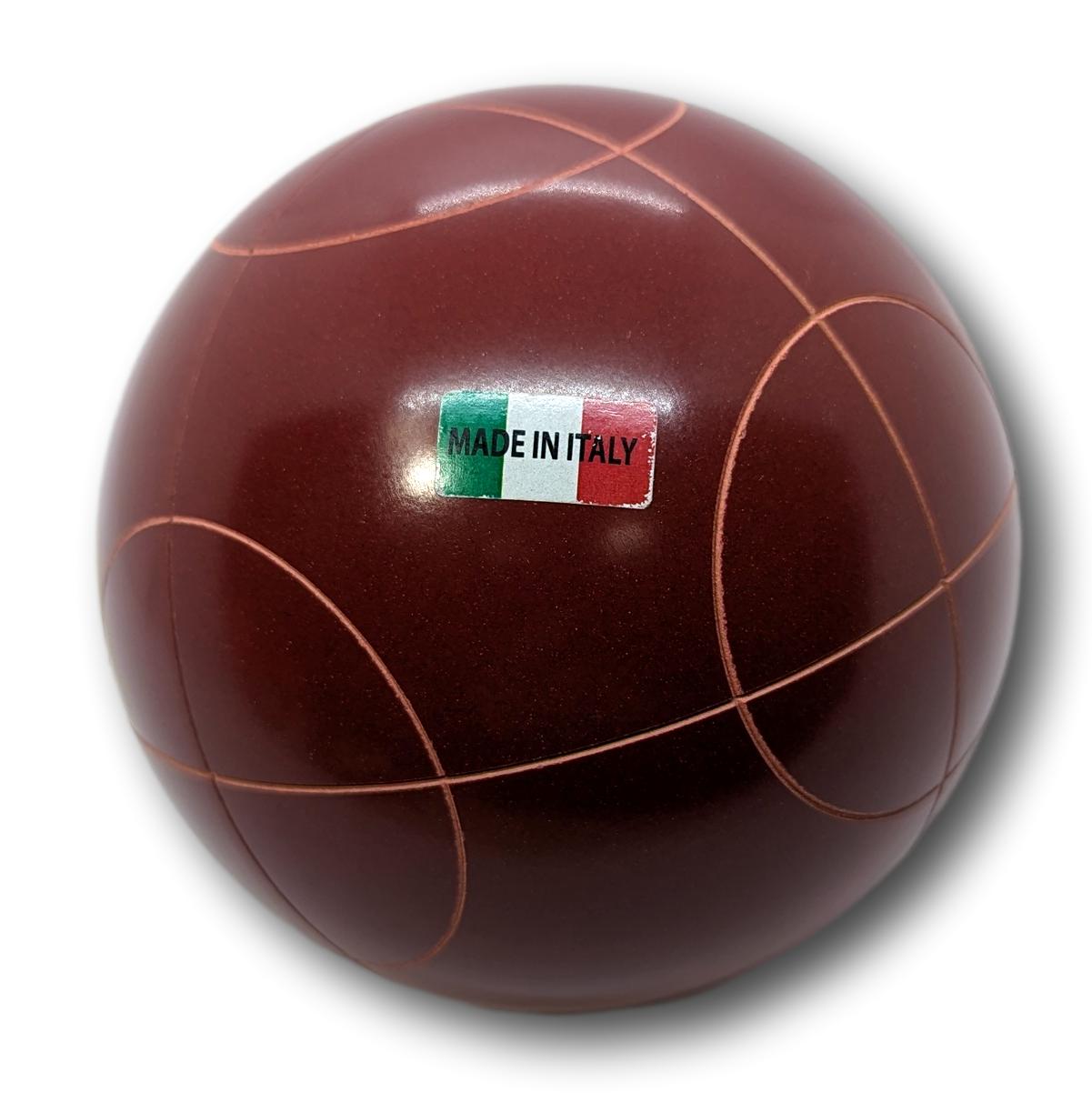
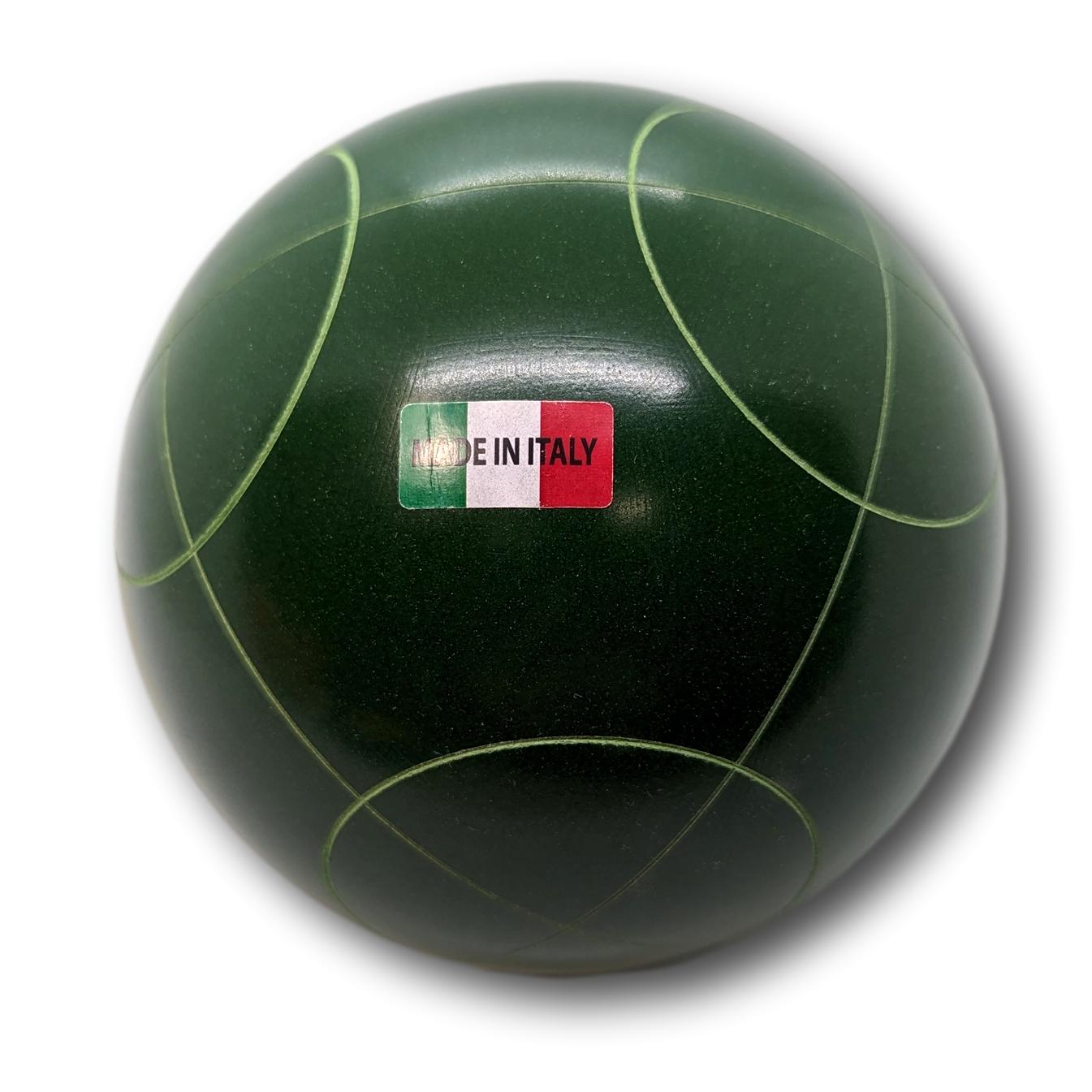
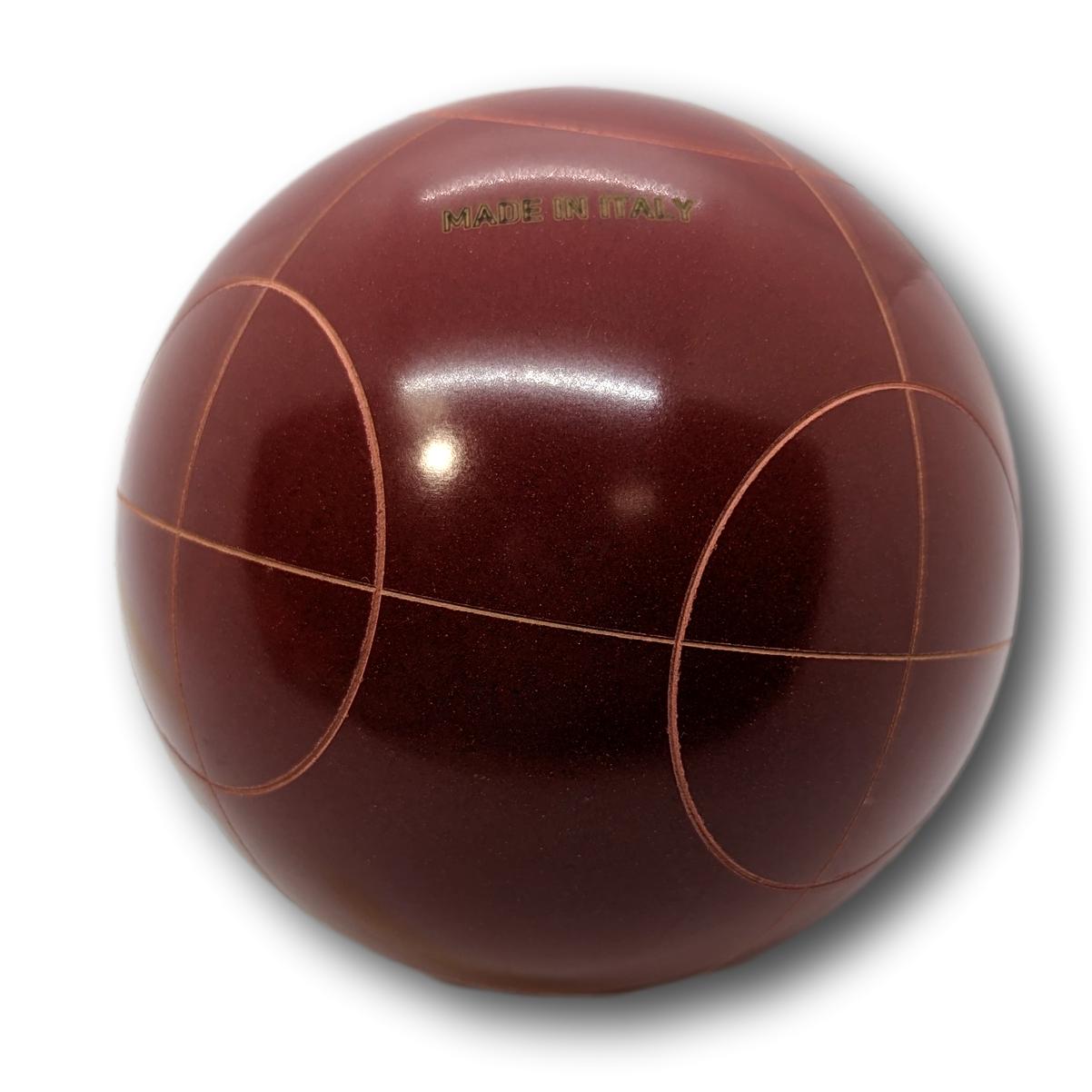
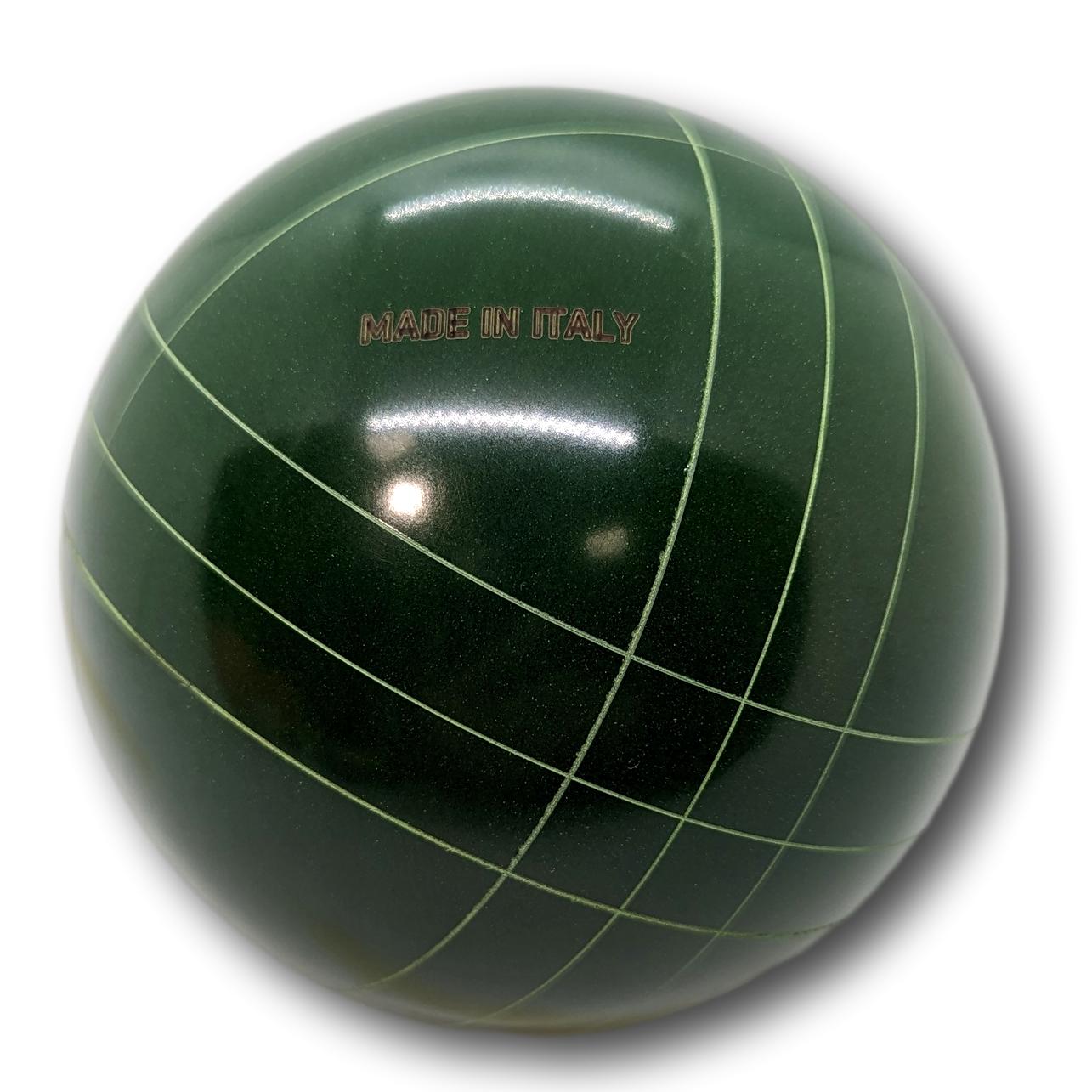
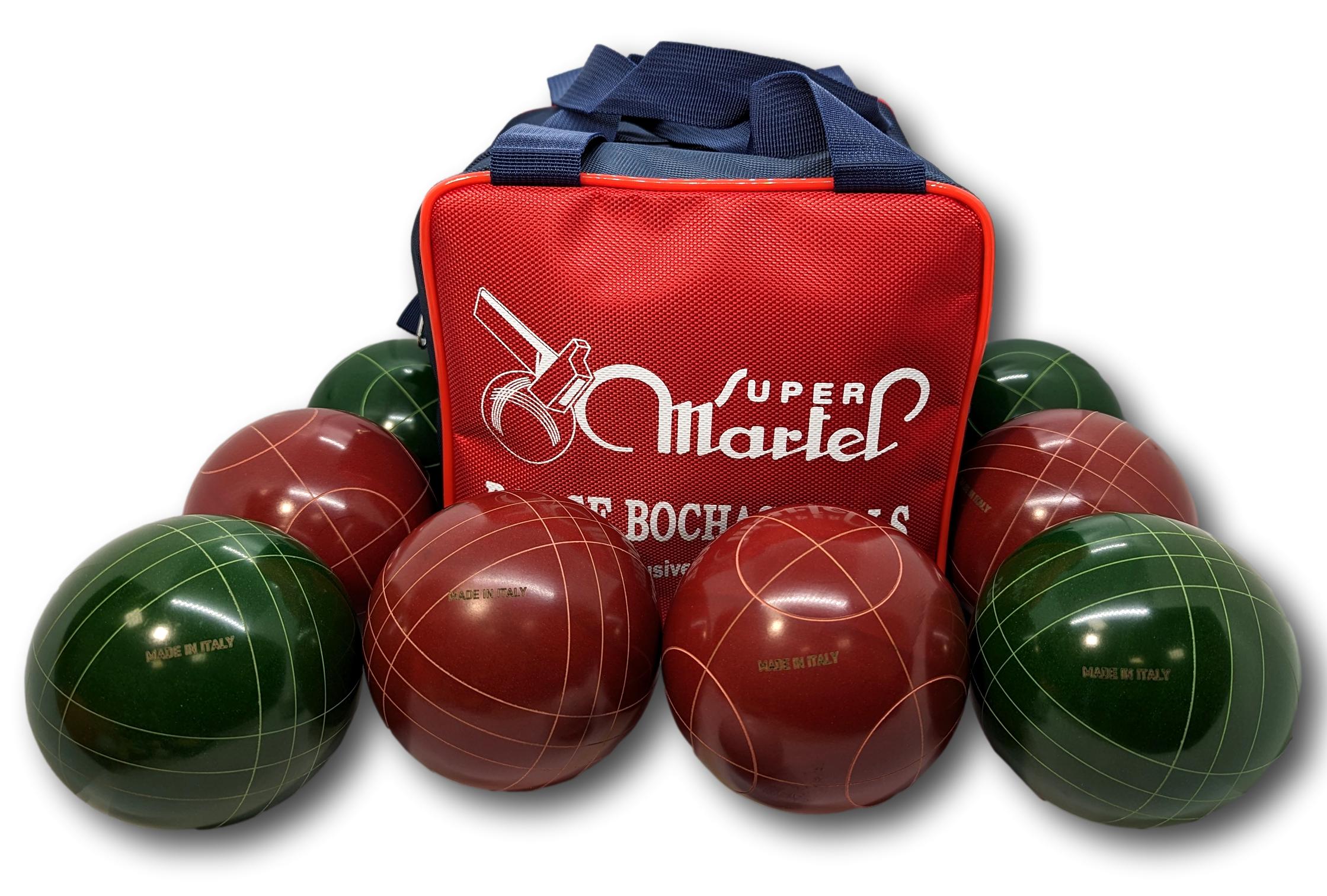
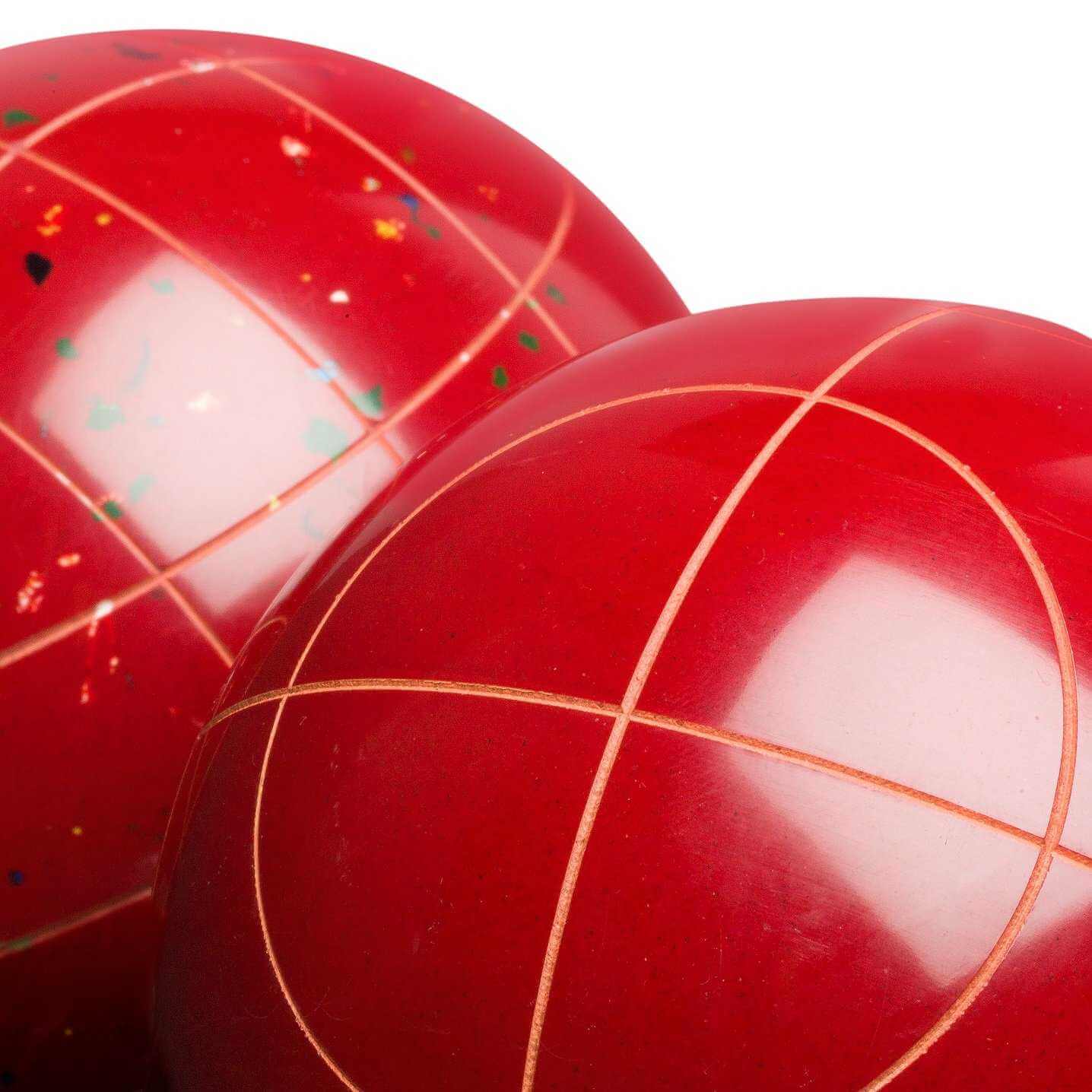
Groove Pattern The groove pattern affects your grip on the
boule, the spin as you throw, and the way it rolls on impact. It also
differentiates your boules from other players'. In general, the smoother
the surface, the smoother it leaves the hand the more striations, the
easier it is to grip and the more it grips the ground. If you roll the
boule, you should choose one with more striation if you throw the boule,
you should choose a smoother surface and if you are a pointer, you
should choose a more striated pattern so it grips the ground. For the
casual/leisure player the groove patterns greatest value is in
distinguishing which boules belong to which players when it is time to
add up the score. For this reason most leisure sets are sold in groups, 3
boules each with 1, 2, 3 or 4 grooves.
Hardness Boules range in hardness from very soft to hard.
Harder boules are more durable. Softer boules move less when hit but
scratch easier. Hard boules are best if you are a leisure player, play
on a rougher surface, or prefer to roll.
Tournament Markings The FIPJP requires the boules to have specific
marks clearly visible. This includes the manufacturer's trademark,
identification number, and weight. It may also include engravings of a
player or team's initials, name, or logo.
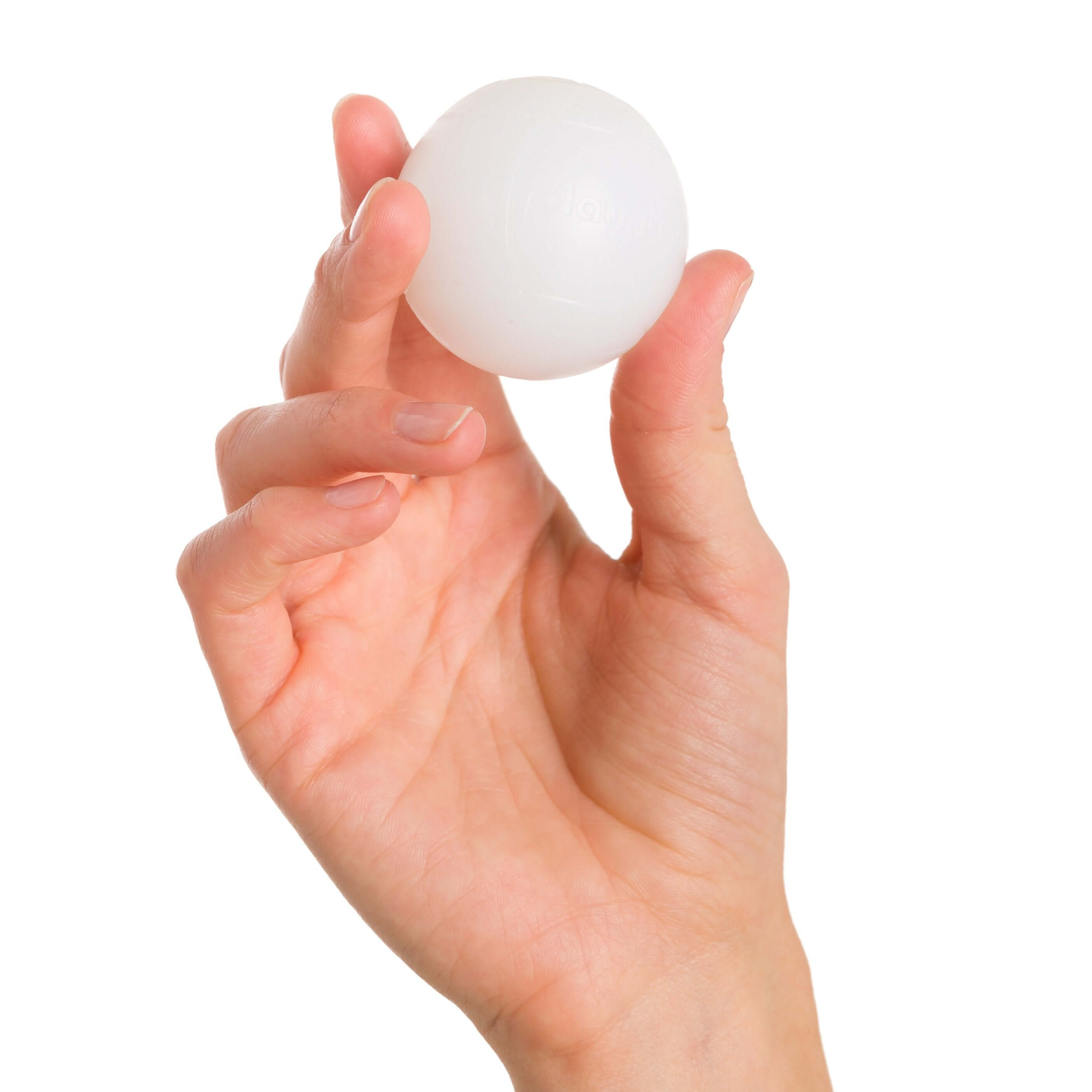
Choosing the Jack The jack must be entirely made of wood ( or the newly approved MS resin jack-see our
accessories page ) and with a
diameter in the 1" - 1 3/8" range. The jack can be painted any color.The bright fluorescent colors work very well as
they are easily seen at a distance, even in low light conditions. |